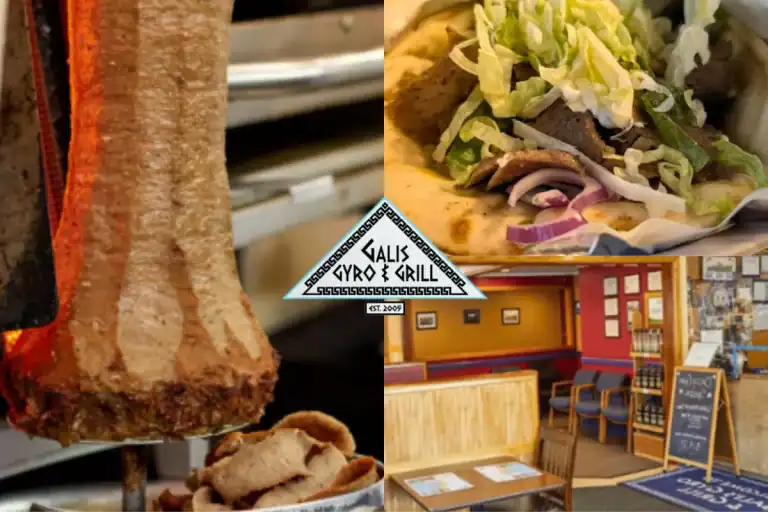

Greek cuisine is renowned worldwide for its vibrant flavors, healthful ingredients, and rich cultural heritage. At the heart of this beloved culinary tradition are the spices and herbs that bring each dish to life. These seasonings used thoughtfully and with great respect for tradition, define Greek food in both taste and aroma. From classic gyros to savory moussaka, it’s the subtle blend of spices that distinguishes Greek cuisine from others. This article explores the essential spices used in Greek cooking, how they shape the food served at Gali’s Gyro and Grill in Pittsburgh, and why these ingredients remain so central to authentic Mediterranean dining.
The Role of Spices in Greek Cuisine
In Greek cooking, spices are used not to overwhelm the palate but rather to enhance natural flavors. Unlike cuisines that rely heavily on heat or excessive seasoning, Greek food embraces a delicate and thoughtful use of herbs and spices that create harmony on the plate. The use of spices in Greek cuisine dates back to ancient times, when herbs were not only considered culinary essentials but also medicinal tools and sacred offerings. That historical reverence for balance and quality continues today.
What makes Greek seasoning so unique is its simplicity. Most Greek dishes use only a handful of ingredients, making the right blend of herbs critical to achieving the right flavor. Freshness, balance, and a connection to the land are the hallmarks of Greek cooking, and its spices reflect the country’s sun-soaked hillsides, coastal breezes, and traditional farming practices.
At Gali’s Gyro and Grill, these principles are reflected in every meal we prepare. We take pride in preserving authentic flavor profiles by using traditional spice blends passed down through generations. Whether it’s our seasoned meats, fresh salads, or hearty entrees, spices are always at the heart of the dish.
Key Greek Spices and Their Unique Flavors
Greek cuisine relies on a core group of herbs and spices that bring out the essence of Mediterranean flavor. Let’s explore the spices that define Greek cooking and how we use them to create authentic dishes in our Pittsburgh kitchen.
Oregano (Rigani)
Oregano is arguably the most iconic herb in Greek cooking. With a pungent, earthy flavor and slightly bitter undertones, Greek oregano is used in a wide range of dishes, from grilled meats and roasted vegetables to fresh salads. It grows wild across the Greek countryside, where it thrives in the sun and stony soil. At Gali’s, we use oregano to season our gyros and roasted chicken and even sprinkle it over our homemade pita bread. Its unmistakable aroma is one of the first things you’ll notice when you walk into our restaurant.
Thyme
Delicate yet potent, thyme offers a slightly minty and citrusy profile that complements both meat and seafood. It is often used in marinades, soups, and roasted vegetable dishes. In traditional Greek households, thyme is frequently infused with olive oil for both flavoring and its health benefits. We use thyme to enhance our lamb dishes and slow-cooked stews, lending them a subtle herbal depth.
Rosemary
Rosemary’s piney, slightly peppery aroma is particularly well-suited to roasted meats and potatoes. In Greek cuisine, rosemary is often paired with lemon and garlic to marinate lamb, resulting in a savory and aromatic dish. At Gali’s, you’ll find rosemary in our roasted potatoes and lamb platters, where it delivers robust flavor without overpowering the dish.
Dill
Dill adds a sweet, grassy freshness that complements the creamy textures of yogurt and cheese. It is a key ingredient in tzatziki, dolmades (stuffed grape leaves), and seafood dishes. We feature dill prominently in our tzatziki sauce, which is served alongside many of our signature items, such as gyros and falafel wraps.
Mint
Mint is an underrated star of Greek cooking. It offers a cooling contrast to warm spices and is often added to meatballs, salads, and desserts. In savory dishes, it pairs beautifully with lamb or eggplant, balancing rich flavors with its brightness. Our lamb meatballs at Gali’s are enhanced by fresh mint, giving them a unique character you won’t find anywhere else.
Bay Leaves
Bay leaves add a subtle bitterness and layer of complexity to soups, stews, and sauces. They are usually added during cooking and removed before serving. In Greek kitchens, bay leaves are frequently used in dishes like fasolada (white bean soup) and stifado (beef stew). We incorporate bay leaves into our braised meat dishes for that traditional slow-cooked flavor.

Cinnamon and Cloves
These warm spices may surprise some readers, as they are often associated with desserts. However, cinnamon and cloves are essential in savory Greek dishes, such as moussaka, pastitsio, and meat sauces. When used sparingly, they impart a comforting warmth and depth that balance the acidity of tomatoes and the richness of meats.
Allspice
Allspice resembles a combination of cinnamon, nutmeg, and clove. It is used in both savory and sweet dishes, especially those with ground meat or tomato-based sauces. Allspice can also be found in many Greek holiday dishes, providing nostalgic notes of family celebrations and traditional feasts.
Sumac
Although not traditionally Greek in origin, sumac is gaining popularity in modern Mediterranean kitchens for its tangy, lemony flavor. It’s often used as a finishing touch to enhance salads, meats, and spreads. At Gali’s, sumac occasionally makes an appearance in our seasonal dishes to add a burst of citrus-like brightness.
Paprika
While not as dominant in Greek cuisine as in Hungarian or Spanish food, paprika does play a supporting role in certain Greek recipes. It’s used to add color, a hint of smokiness, and mild heat to meats and sauces. We incorporate paprika into select marinades and sauces, particularly when crafting specials or customer favorites that demand a bit of extra character.
How Greek Spices Are Used at Gali’s Gyro and Grill
The culinary philosophy at Gali’s is rooted in authenticity. Our chefs understand that the right balance of spices can transform simple ingredients into memorable meals. That’s why we treat spices not just as flavoring agents but as vital components of our recipes, each with its purpose and tradition.
Our gyros, for instance, are marinated with a house blend of oregano, garlic, black pepper, and lemon juice. The resulting flavor is bold yet balanced, making every bite satisfying. In our lamb platters, rosemary and thyme are used to enhance the natural flavors of the meat, while bay leaves add subtle depth during the slow-cooking process.
Our tzatziki sauce is one of our most popular items, and it owes its flavor to a carefully blended combination of dill, garlic, and creamy Greek yogurt. Served as a dip or sauce, it’s the perfect cooling complement to our grilled dishes. Similarly, our moussaka benefits from a nuanced spice blend that includes cinnamon and cloves, elevating the traditional dish into something truly special.
Even our side dishes, such as roasted lemon potatoes, are carefully seasoned with garlic, rosemary, and oregano. Every component of a meal at Gali’s is designed to showcase the harmony and richness that define Greek cuisine.
Cooking with Greek Spices at Home
If you’re inspired to try Greek cooking at home, starting with a few essential spices is the best way to bring Mediterranean flavor to your kitchen. Create your Greek seasoning blend by combining dried oregano, thyme, rosemary, garlic powder, onion powder, and a pinch of cinnamon. This mixture works beautifully as a rub for meats, a sprinkle over roasted vegetables, or a flavor boost for soups.
When cooking with dried herbs, remember to crush them between your fingers before adding them to a dish; this releases their natural oils and intensifies the flavor. Also, don’t be afraid to pair these spices with fresh ingredients like lemon juice, olive oil, and garlic. These combinations are at the core of many Greek recipes and can elevate any home-cooked meal.
Understanding the role of each spice helps home cooks appreciate the balance and complexity behind every authentic Greek dish. With a little practice and respect for tradition, you can enjoy a slice of the Mediterranean right from your kitchen.
The Timeless Allure of Greek Spices
Greek spices are more than just ingredients; they are cultural touchstones that connect the past to the present. From ancient times to modern Pittsburgh, these herbs and spices continue to bring people together over hearty, flavorful meals. At Gali’s Gyro and Grill, we celebrate this heritage with every dish we prepare.
Our use of traditional Greek seasonings isn’t just about taste; it’s about honoring a way of life where food is made with care, shared with others, and enjoyed slowly. Whether you’re a longtime lover of Greek cuisine or just beginning to explore its flavors, understanding these essential spices can deepen your appreciation for this rich culinary tradition.
And if you’ve ever found yourself searching for a “Greek restaurant near me,” we invite you to join us at Gali’s and experience these time-honored flavors firsthand.
About Gali’s Gyro and Grill
Gali’s Gyro and Grill is a family-owned Greek restaurant located in Pittsburgh, dedicated to serving authentic Mediterranean cuisine made with fresh ingredients and time-tested recipes. From our savory gyros and grilled platters to our homemade tzatziki and traditional Greek sides, every dish reflects our commitment to quality, flavor, and hospitality. We are proud to be a part of the Pittsburgh community and invite you to dine with us for a warm, flavorful, and unforgettable Greek experience.