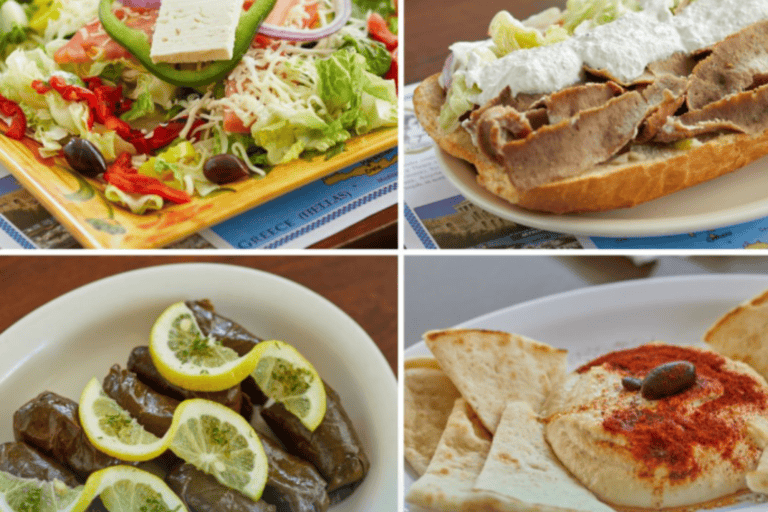

To compare Greek salads at different restaurants, you need to evaluate three key factors: ingredient authenticity, preparation techniques, and flavor balance. The best Greek salads use traditional components like fresh vegetables, Kalamata olives, and a block of feta cheese, prepared simply with high-quality olive oil and minimal alteration. By focusing on these elements, you can quickly identify which restaurants prioritize authenticity and quality.
Why Comparing Greek Salads Matters More Than You Think
A Greek salad may look simple at first glance, but it’s actually one of the clearest indicators of a restaurant’s commitment to authenticity. Because the dish relies on just a handful of ingredients, there’s nowhere to hide shortcuts. Every tomato, every olive, and every drizzle of olive oil tells you something about the kitchen behind it.
During a recent menu audit for a Mediterranean concept, we observed a clear pattern. Restaurants that focused on authenticity consistently delivered Greek salads with bold, clean flavors and proper structure. In contrast, less traditional versions leaned heavily on fillers, bottled dressings, and pre-prepared ingredients that muted the overall experience.
This is why learning how to compare Greek salads matters. It gives you a reliable way to identify which restaurants are committed to real Mediterranean cooking and which ones are simply adapting it for convenience. Whether you’re dining in or ordering takeout, this knowledge helps you make better choices.
Core Criteria for Comparing Greek Salads
Ingredient Authenticity
Authenticity starts with what’s on the plate, and just as importantly, what’s not.
A traditional Greek salad (Horiatiki) includes:
- Ripe tomatoes (cut into large chunks)
- Crisp cucumbers
- Kalamata olives (often with pits)
- A solid block of feta cheese
- Extra virgin olive oil
- Red wine vinegar or lemon
What you shouldn’t see:
- Lettuce or mixed greens
- Shredded or processed cheese
- Heavy, creamy dressings
Many restaurants add lettuce to increase volume or meet customer expectations, but this changes the structure and authenticity of the dish. A true Greek salad relies on simplicity and ingredient quality, not fillers.
Preparation Techniques
How a salad is prepared is just as important as the ingredients themselves.
Look for:
- Chunky cuts instead of finely chopped vegetables
- Minimal mixing, allowing ingredients to stand on their own
- Olive oil drizzled last, not pre-mixed with dressing
- Room-temperature serving, which enhances flavor
At a Greek restaurant in Bridgeville known for traditional methods, we observed that even the order of assembly was intentional: vegetables first, feta last, and oil at the end. These details matter more than most diners realize.
Flavor Balance
A well-made Greek salad achieves harmony between:
- Freshness from vegetables
- Saltiness from feta and olives
- Acidity from vinegar or lemon
- Richness from olive oil
When one element dominates, such as too much dressing or overly salty cheese, the salad loses its harmony. The goal is a clean, refreshing taste where no single ingredient overpowers the others.
Side-by-Side Comparison of Greek Salad Styles
| Criteria | Authentic Greek Salad | Americanized Version | Premium Restaurant Version |
| Base Ingredients | No lettuce | Includes lettuce | No lettuce |
| Feta Cheese | Block | Crumbled | Imported block |
| Olives | Kalamata (with pits) | Sliced black olives | Kalamata (premium quality) |
| Dressing | Olive oil + vinegar | Heavy bottled dressing | High-quality EVOO drizzle |
| Preparation Style | Chunky | Chopped | Precision-cut |
This comparison provides a simple framework you can use anytime you’re evaluating a Greek salad. It works whether you’re dining at a casual spot or a high-end Mediterranean restaurant.
Step-by-Step Method to Evaluate Greek Salads
1. Inspect Ingredient Quality
Start by looking at color and freshness. Tomatoes should be vibrant, cucumbers crisp, and feta creamy, not dry.
2. Check for Authentic Components
No lettuce? Block feta? Kalamata olives? You’re on the right track.
3. Taste for Balance
Take a bite that includes everything. The flavors should feel clean, bright, and balanced, not heavy or overly processed.
4. Observe Presentation
Authentic Greek salads often look rustic and simple. Overly styled or overly mixed salads may indicate deviation from tradition.
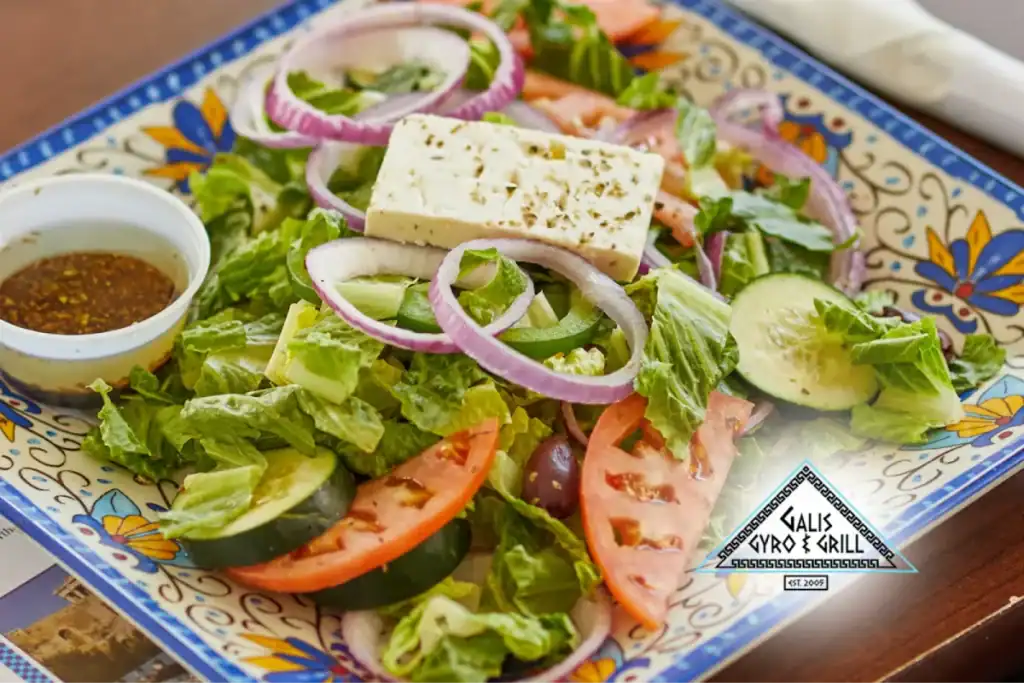
Definition of Key Features and Specifications
Authentic Greek Salad (Horiatiki)
A traditional Mediterranean dish made without lettuce, emphasizing fresh vegetables, olives, feta, and olive oil.
Extra Virgin Olive Oil (EVOO)
A high-quality oil that adds richness and depth while tying all ingredients together.
Feta Cheese (Block Form)
A hallmark of authenticity, offering better texture and flavor than crumbled alternatives.
Kalamata Olives
Distinctive olives known for their deep flavor and slightly fruity, briny taste.
Chunky Cut Preparation
Large cuts that preserve the integrity and natural flavor of each ingredient.
Common Misconceptions About Greek Salads
One of the most common misconceptions is that Greek salads are built on a bed of lettuce, but in reality, traditional Greek salads, known as Horiatiki, never include leafy greens. This misunderstanding often comes from Americanized versions that add lettuce to increase portion size or create a more familiar “salad” appearance. However, authentic preparation focuses on simplicity and ingredient quality, using only tomatoes, cucumbers, olives, feta, and olive oil. Adding lettuce not only changes the texture but also dilutes the bold, clean flavors that define the dish. When you see a Greek salad without lettuce, it’s usually a strong sign that the restaurant is staying true to its Mediterranean roots and prioritizing authenticity over convenience.
How Our Mediterranean Cooking Style Helps You Spot a Great Greek Salad
At Galis Gyro and Grill, our approach is guided by what we call our proprietary foundation, built on being an authentic Mediterranean restaurant, a family-owned business, and supported by years of experience in preparing food the right way.
As a family-owned business, we bring generations of tradition and care into every dish. Our years of experience allow us to stay true to time-honored recipes while consistently delivering quality. Because we offer authentic and original Greek dishes, we focus on real ingredients, traditional preparation, and flavors that reflect true Mediterranean heritage.
This is what defines the best Greek restaurants, not shortcuts or trends, but a commitment to authenticity, freshness, and hospitality. When you use this same mindset to evaluate a Greek salad, you’ll quickly recognize the difference between something made for convenience and something crafted with purpose and tradition.
What Is the Mediterranean Authenticity Framework?
It’s a five-part system built on:
- Ingredient Integrity – Only fresh, high-quality ingredients, never frozen meats
- Traditional Preparation – Recipes and techniques rooted in Greek culinary heritage
- Balance Over Complexity – Letting natural flavors shine without unnecessary additions
- Handcrafted Execution – Every dish made fresh daily, including tzatziki and pita
- Hospitality Mindset – Treating every guest like family
This framework isn’t just theory; it’s how we ensure that every Greek salad meets the highest standards.
In fact, when guests search for a Greek restaurant in Bridgeville, PA, they often mention how different our salads taste, brighter, fresher, and more authentic. That’s the framework in action.
Advanced Comparison Factors for Food Enthusiasts
Ingredient Sourcing
Premium restaurants often import feta and olives directly from Greece, ensuring authenticity.
Olive Oil Quality
Single-origin olive oils provide more distinct flavor profiles compared to generic blends.
Seasonality
Fresh, in-season vegetables dramatically improve taste and texture.
In neighborhoods like Pleasant Hills, Mt. Lebanon, and Homestead, diners are becoming more aware of these finer details, and it’s changing expectations across the board.
How to Spot a Truly Authentic Experience
If you’re searching for a Bridgeville, PA, Greek restaurant, here’s a quick checklist:
- Do they emphasize fresh, never frozen ingredients?
- Are dishes made to order?
- Does the menu reflect traditional Greek recipes?
A true Bridgeville Greek restaurant that values authenticity will consistently deliver across all these areas, not just in salads, but across the entire menu.
Taste the Difference for Yourself
At the end of the day, comparing Greek salads is about more than just ingredients; it’s about authenticity, care, and tradition. When a restaurant gets the small details right, it shows in every bite.
At Galis Gyro and Grill, we invite you to experience that difference firsthand. As a trusted Greek restaurant, we take pride in preparing every dish with fresh ingredients, time-honored recipes, and genuine hospitality. Whether you’re dining in, ordering takeout, or planning a gathering, we’re here to serve you like family.
Visit us today! Come hungry, leave happy, and discover what a truly authentic Greek salad should taste like.
People Also Ask
What is the difference between a Greek salad and a regular salad?
A Greek salad focuses on a small number of high-quality ingredients without lettuce, while regular salads often include mixed greens and a wide variety of toppings.
Why is feta served in a block in authentic Greek salads?
Serving feta in a block preserves its texture and flavor, aligning with traditional Greek preparation methods.
What dressing is used in a traditional Greek salad?
Authentic Greek salads use simple olive oil and vinegar or lemon juice, not heavy bottled dressings.
How can I tell if a Greek restaurant is authentic?
Look for traditional ingredients, simple preparation, and a focus on freshness rather than processed foods.
Are Greek salads healthy?
Yes, they are rich in fresh vegetables, healthy fats from olive oil, and protein from feta cheese.