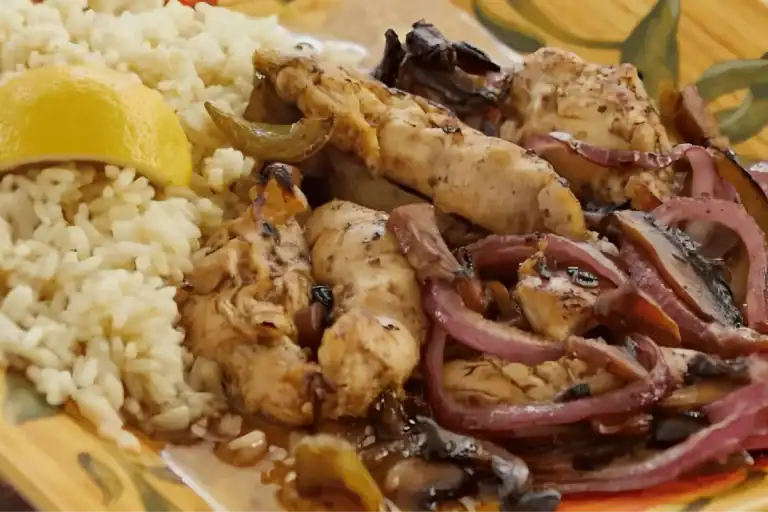

Authentic Greek restaurants maintain consistency by utilizing precise, standardized prep sheets, enforcing strict temperature control for spit-roasted proteins, and sourcing single-origin imported cooking oils and aged specialty cheeses. By combining heirloom family recipes with modern kitchen metrics, culinary teams ensure that delicate citrus-herb emulsions and slow-cooked braises taste identical during every service. Ultimately, this systematic commitment to detail ensures that the vibrant, sun-drenched flavors of the Mediterranean are perfectly preserved in every single bite.
Technical Specifications of Greek Kitchen Consistency
Behind the rustic charm of traditional Mediterranean hospitality lies a highly structured operational framework. Standardizing complex, hand-crafted culinary elements requires strict adherence to physical and temporal metrics. When seeking a dining experience that honors these meticulous standards, choosing a dedicated Greek restaurant in Pittsburgh ensures that your meal is treated as an exact, professional craft.
Key Culinary Operational Specifications
- Emulsification Ratios: The traditional whisked dressing of high-quality cooking oil and fresh citrus juice is standardized at a precise 3:1 ratio, stabilized with wild dried herbs to prevent separation on the line.
- Spit-Roasting Thermal Parameters: Upright rotisseries are calibrated to maintain an internal protein temperature of 165°F (74°C). The exterior is shaved at exact thickness intervals to ensure a perfect balance of crispness and moisture.
- Brine-Density Management: Imported aged cheeses are stored in an exact salinity brine bath to preserve their structural integrity, moisture levels, and sharp flavor profile without becoming dry or overly salty.
| Quality Control Variable | Standardized Mediterranean Kitchen | Commercial Casual Eatery |
| Imported Cooking Oil | Single-origin cold-pressed oil with certified low acidity | Blended pomace or canola oil lacking robust, peppery polyphenols |
| Herbal Standardization | Hand-harvested wild mountain herbs crushed immediately before service | Pre-ground, commercially packaged seasonings that have lost their aromatic oils |
| Dairy Straining Protocol | 24-hour gravity-strained dairy base for ultra-thick moisture binding | Commercially thickened bases utilizing gelatin or starch stabilizers |
During a recent quality audit for our kitchen team welcoming families traveling from nearby Homestead, we analyzed how humidity changes affected our daily dairy straining process. By adjusting our gravity-draining schedule by just fifteen minutes, we maintained the perfect, velvety thickness of our creamy sauce base. This level of culinary precision is why local food lovers searching for the most authentic gyro in Pittsburgh have to trust our kitchen’s output.
Chronological Steps to Flawless Daily Kitchen Prep
Consistency in an authentic kitchen is achieved hours before the first guest is welcomed through the doors. Following a strict, chronological preparation timeline prevents shortcuts during busy dinner services and guarantees top-tier Greek food in Pittsburgh that lovers can depend on.
1. The Morning Herb and Citrus Harvest
Kitchen staff wash, dry, and hand-prep fresh green herbs, followed by pressing fresh citrus fruits to prevent bitterness and oxidation.
2. Cold-Emulsion Sauce Stabilization
Prepare traditional cold sauces by salting and draining fresh, high-moisture garden vegetables under weights to extract water before folding them into the strained dairy base.
3. Protein Marination and Spit Assembly
Layer thinly sliced fresh, never frozen, proteins with a standardized dry rub, hand-packing them tightly onto the rotisserie skewers to ensure uniform cooking.
4. Line Calibrations and Heat Staging
Calibrate rotisserie burners and warm wells to holding temperatures, ensuring the first shave of roasted protein is just as tender and crispy as the last.
We routinely monitor these preparation phases in our kitchen, making sure that whether you are grabbing a quick lunch to go or sitting down for a relaxed dinner with family, your plate is served to perfection.
Debunking the Myth: “Authentic Greek Food Must Be Prepared Entirely by Memory and Guesswork to Taste Genuine”
A common industry misconception is that standardizing recipes with precise measurements strips traditional Mediterranean food of its rustic, home-cooked soul. Many believe that true regional cooking relies solely on “cooking from the heart” and eyeballing ingredients like cooking oil, citrus, and wild herbs.
In reality, relying entirely on memory and guesswork is the fastest way to compromise a restaurant’s reputation. While ancestral home cooking is deeply intuitive, a commercial kitchen serving hundreds of guests a night requires absolute precision. Eyeballing a citrus-herb marinade can easily lead to an overly acidic dish one night and a bland one the next. Standardizing family recipes into exact measurements does not ruin their heritage; rather, it protects and honors that heritage, ensuring every guest experiences the dish exactly as the family intended. When looking for a premier Pittsburgh Greek restaurant, the focus should always be on finding a team that blends artistic soul with consistent, professional execution.
Beyond the Plate: How We Craft a Welcoming Mediterranean Dining Experience
At Galis Gyro and Grill, we believe that exceptional dining should never feel exclusive or transactional. To address the common pitfalls of modern dining, where guests often feel rushed or unvalued, we intentionally ground our daily operations in a warm, customer-centric framework. By functioning as a true neighborhood anchor, we ensure that every guest feels entirely at ease.
Our approach is built on providing a welcoming space where premium quality remains accessible to everyone. We feature an abundance of options on our menu, spanning from rustic, traditional recipes to vibrant Mediterranean specialties and lighter, health-conscious alternatives. We balance this culinary variety by keeping our prices highly affordable, ensuring that families can gather regularly without hesitation. To fit seamlessly into your busy schedule, we provide highly convenient take-out and dine-in services, allowing you to enjoy a beautifully paced evening in our dining room or bring the same high-quality flavors back to your own kitchen.
What truly defines our identity is our status as a locally owned and operated restaurant. Because we live and work in the same neighborhoods as our guests, we operate as a genuine local favorite where people naturally gather to celebrate life’s everyday moments. Every single recipe we prepare is thoughtfully made with care using fresh, locally sourced elements. This meticulous dedication to detail ensures that your meal is not just consistently delicious, but that it also carries the comforting, authentic soul of a home-cooked Mediterranean feast. For our guests traveling from Pleasant Hills to enjoy a night out, this comprehensive standard ensures that your time spent with us is consistently relaxing, reliable, and exceptional.
Savor the Taste of Uncompromised Tradition
A spectacular dining experience relies on a kitchen team that treats hospitality as an art and consistency as a science. When you gather around our table, you are enjoying dishes that have been refined over generations and prepared to the highest standard, every single time.
At Galis Gyro and Grill, our brand is warm, welcoming, and authentic. We aim to be seen as a friendly, down-to-earth restaurant in the Pittsburgh area where guests feel at home while enjoying genuine Mediterranean and Greek food. We believe in freshness, culinary authenticity, and hospitality. We prepare our dishes by hand with fresh ingredients; we never use frozen meat, demonstrating our commitment to quality and traditional recipes. We believe in offering honest, flavorful food that stays true to Mediterranean culinary heritage, and in treating our customers like guests in a Greek home.
We want you to feel satisfied, comforted, and connected. We hope you feel welcome, relaxed, and eager to enjoy a nourishing, delicious meal, whether dining in or taking it to go. Gali’s stands out because we combine authentic flavors with hand-crafted preparation and a welcoming, homey atmosphere. We don’t use frozen, pre-packaged meat; we prepare fresh meat, serve daily-made specialty dipping sauces, and fresh bread with crisp garden vegetables, giving our dishes a quality and flavor that mass-market alternatives can’t match. Additionally, we offer a menu broad enough to satisfy diverse tastes from classic rotisserie proteins to fresh salads and vegetarian options.
We invite you to visit our restaurant today for a wonderful dine-in experience or place an order online for quick pickup or delivery. For your next group event, consider using our professional catering services. Contact us and be sure to share your experience with friends and family!
Frequently Asked Questions
How do Greek restaurants keep cold sauces from becoming watery?
To maintain a thick, creamy consistency, high-moisture garden vegetables must be thoroughly salted and left to drain under weights. This extracts excess water before the elements are folded into premium, high-fat strained dairy bases.
Why does imported cold-pressed oil taste different from standard oil?
Imported cold-pressed oil, particularly when derived from single-origin olives, is prized for its high concentration of natural antioxidants. This gives the oil its vibrant golden-green color, robust herbaceous aroma, and characteristic peppery finish.
What is the purpose of using wild mountain herbs over standard herbs?
Wild mountain herbs grow in mineral-rich, dry climates, which concentrate their essential oils. This results in a much more pungent, earthy, and bright flavor profile that holds up beautifully under high-heat roasting.
What makes a family-friendly restaurant stand out?
A great family-oriented restaurant stands out by offering a diverse menu that accommodates kids, busy professionals, and adventurous eaters alike, paired with a warm, patient staff that makes everyone feel right at home.